Sri Lankan & Ceylon Tea
This collection of loose leaf tea and herbs comes from the beautiful island country of Sri Lanka. We donβt call this Ceylon loose leaf tea because that is an outdated colonial name. Ceylon gained independence from Britain in 1948 and changed its name to Sri Lanka when it became a republic in 1972.
Our teas are sourced directly from independent Sri Lankan tea farms and a Sri Lankan organic tea and herb collective of smallholder farmers.
Shop 6 Rare Tea Co Sri Lankan & Ceylon Tea Products
-
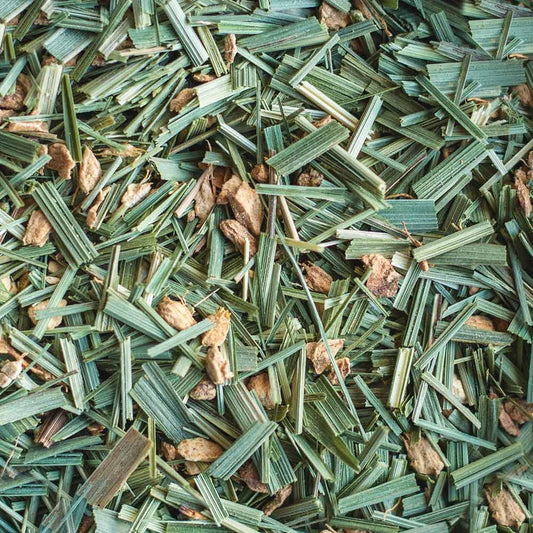
Caffeine FreeHimalayan Ginger & Lemongrass
21 reviewsRegular price From Β£8.99Regular priceΒ£0.00 Β£0.22 per cupΒ£0.00Sale price From Β£8.99 -
Sri Lankan Hand Rolled
8 reviewsRegular price Β£12.49Regular priceΒ£0.00 Β£0.53 per cupSale price Β£12.49 -
Caffeine FreeLemon Blend
14 reviewsRegular price From Β£7.99Regular priceΒ£0.00 Β£0.21 per cupSale price From Β£7.99 -
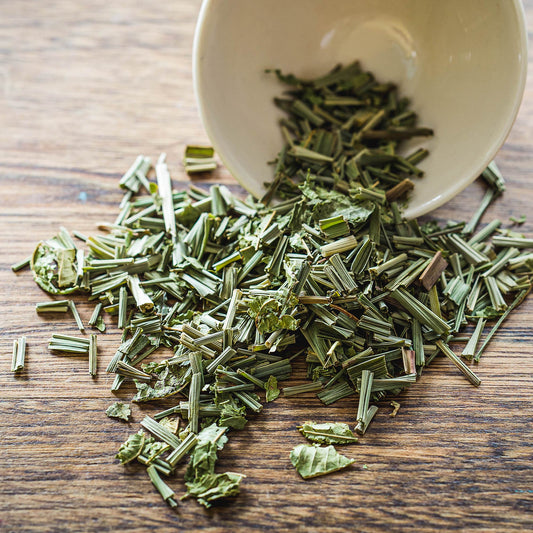
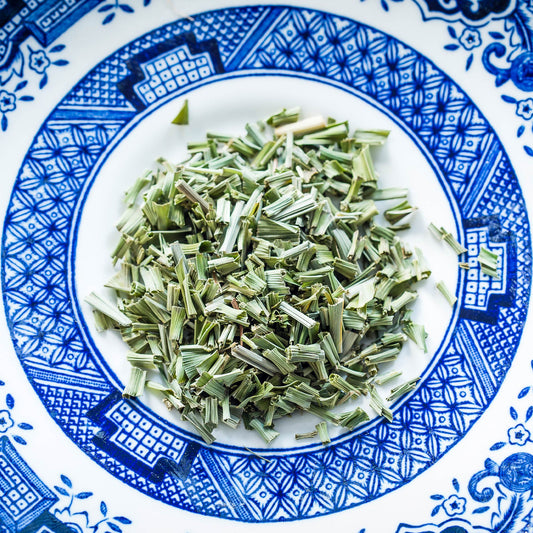
Caffeine FreeSri Lankan Lemongrass
7 reviewsRegular price From Β£5.99Regular priceΒ£0.00 Β£0.13 per cupSale price From Β£5.99 -
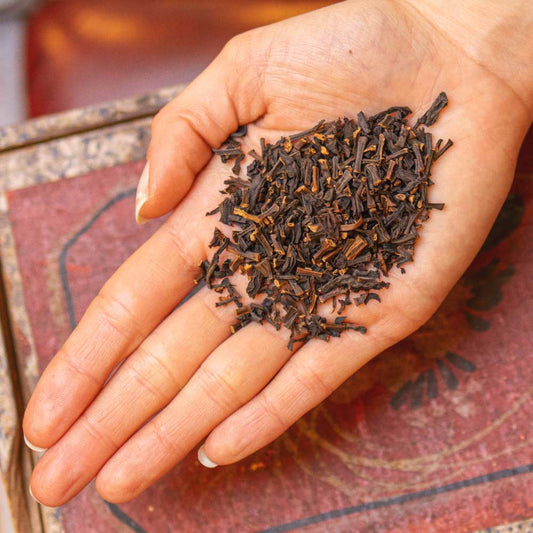
Sri Lankan Black
5 reviewsRegular price Β£11.49Regular priceΒ£0.00 Β£0.29 per cupSale price Β£11.49 -
Sri Lankan Vanilla Tea
Regular price Β£16.99Regular priceΒ£0.00 Β£0.43 per cupΒ£0.00Sale price Β£16.99
What is the best Ceylon tea?
The best "Ceylon" tea is really not called Ceylon - it's called Sri Lankan tea.
Ceylon is the old colonial name for Sri Lanka. The best tea from Sri Lankan is called Sri Lankan. Using old colonial names to sell tea seems extremely inappropriate to us at Rare Tea Company - instead, we have lovely Sri Lankan Black, Sri Lankan Lemongrass and Sri Lankan Hand Rolled teas that are delicious while supporting the tea communities that we source them from.
What is the significance of 'Ceylon' in relation to Sri Lankan tea?
The significance of 'Ceylon' in relation to Sri Lankan tea is an antiquated name that goes back to colonial times. Ceylon was the name of Sri Lanka during the British colonial rule between 1815 and 1948.
In 1972, the island nation of Ceylon changed its name to Sri Lanka, a term rooted in the Sinhalese language, and declared itself a republic. This shift aimed to reflect the country's multicultural identity and reduce associations with its colonial past under British rule.
At Rare Tea, we make it a point to know our tea history and make tea change. We work to change the legacy of both colonialism and the tea industry, in its creation of poverty and marginalisation of tea communities. The English impact in Sri Lanka, leading to the name Ceylon, is not a legacy that we wish to celebrate nor continue. As a statement to our tea change mission, we do not name any of our teas as Ceylon. Instead, we have the exquisite Sri Lankan Black, Sri Lankan Lemongrass, and other teas from Sri Lanka. Nowhere on our website or in our collection of teas will you find the legacy of Ceylon as part of our offerings.
What tea-growing regions in Sri Lanka do we work with?
We source our Sri Lankan Black from the mountainous Nuwara Eliya District in the Central Province of Sri Lanka. This tea garden is an independent family farm, which has been transformed into a sustainable and completely organic farm.
By purchasing Rare Tea, you are contributing to stepping outside of conventional "Big Tea" plantations that have created this legacy of marginalisation found in other Ceylon teas. Ananda and Ravindu have revitalised this tea garden since 2012, to fight the status quo of tea poverty and to make tea change.
The Amba Estate is an organic tea garden in Ella, Uva Province and the Dambulla region in the Central Province in Sri Lanka are other primary tea-growing regions in Sri Lanka that we are proud to partner with. For the best infusion of Sri Lankan Lemongrass, we sought out this thriving estate that is also a wildlife sanctuary.
We are proud to work with these incredible tea gardens to harvest the best tea in Sri Lanka.
How do small-scale tea farmers in Sri Lanka compare to the larger tea estates in terms of production and sustainability practices?
Small-scale tea farmers in Sri Lanka compare to the larger tea estates in terms of production and sustainability practices through their ability to control all aspects of production. We only work with farms that are organic, that we know and trust, and that do good for the local community. The character of larger tea estates does not consider their impact on the local environment, which leads to a continued cycle of poverty and exploitation.
For example, the seven largest companies that produce tea bags will not consider their impact beyond profit. That is why we work exclusively with small-scale tea farms and farmers that can ensure sustainability both in terms of the natural environment and climate, but also in the wider importance of how tea positively impacts the people of Sri Lanka. What you infuse and drink in your cup or teapot matters to them - by choosing Rare Tea, you are supporting locally conscious and smaller-scale tea farms in Sri Lanka.