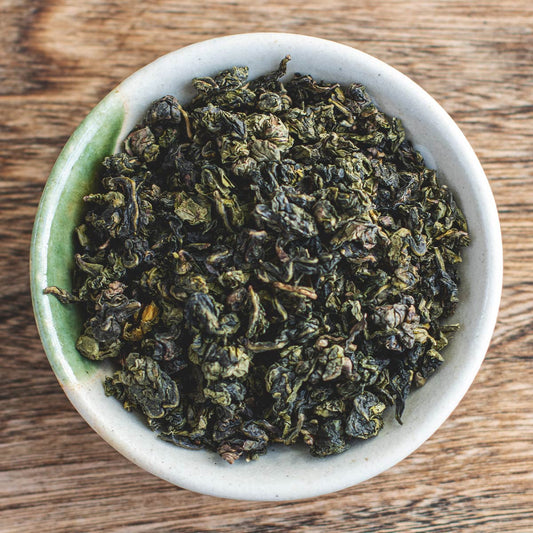
Chinese Loose Leaf Tea
Loose leaf Chinese tea is the beginning of tea's story. Millenia ago, the Chinese began crafting the indigenous mountain tea plant, Camellia sinensis, into a delicious drink. Thousands of years have been invested in perfecting the art of Chinese tea. Read more...
Shop 21 Rare Tea Co Chinese Loose Leaf Tea Products
-
Silver Tip Jasmine Tea
91 reviewsRegular price From £10.49Regular price£0.00 £0.46 per cup£0.00Sale price From £10.49 -
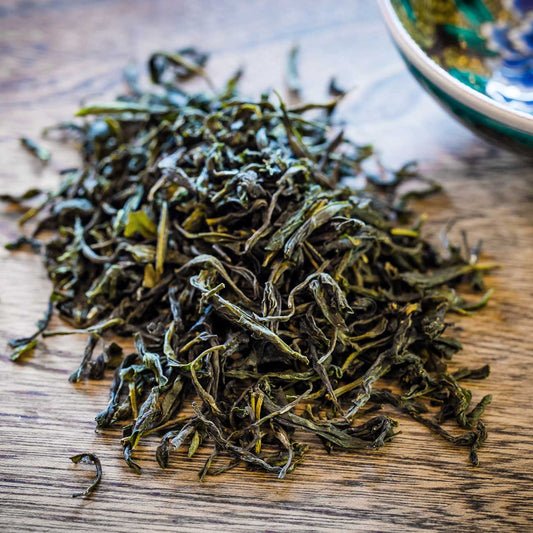
Chinese Whole Leaf Green
38 reviewsRegular price From £5.49Regular price£0.00 £0.26 per cup£0.00Sale price From £5.49 -
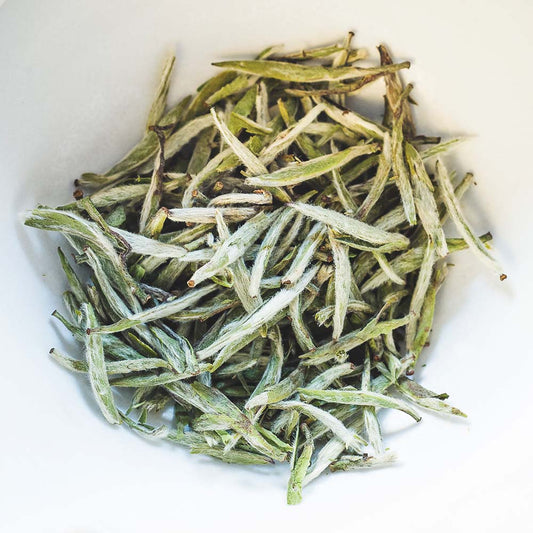
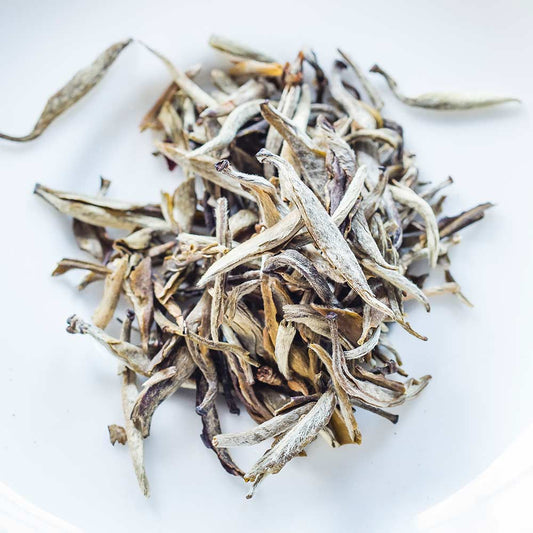
Sold outSilver Tip White
43 reviewsRegular price £13.49Regular price£0.00 £0.54 per cup£0.00Sale price £13.49Sold out -
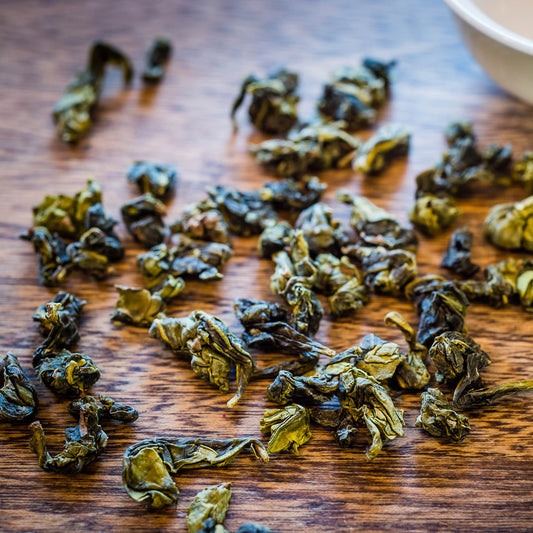
Chinese Tie Guan Yin Oolong
17 reviewsRegular price From £7.49Regular price£0.00 £0.11 per cup£0.00Sale price From £7.49 -
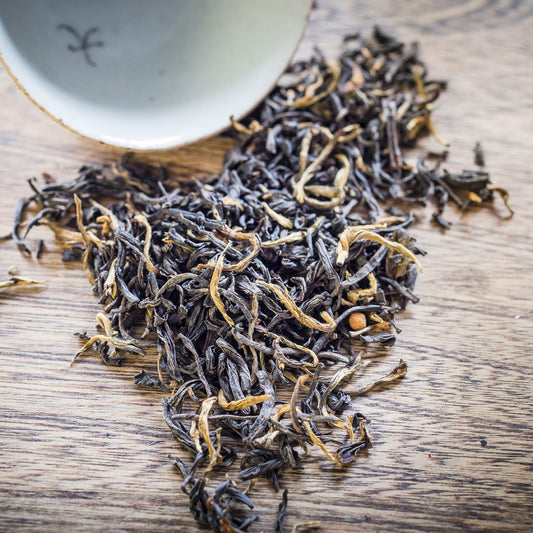
Chinese Emperor's Breakfast
31 reviewsRegular price £12.49Regular price£0.00 £0.31 per cupSale price £12.49 -
Rare Chinese Keemun
20 reviewsRegular price £8.99Regular price£0.00 £0.23 per cupSale price £8.99 -
Tarry Lapsang Souchong
9 reviewsRegular price £10.99Regular price£0.00 £0.28 per cup£0.00Sale price £10.99 -
Chinese Longjing
7 reviewsRegular price £9.99Regular price£0.00 £0.40 per cupSale price £9.99 -
Green Tea & Mint
15 reviewsRegular price £6.49Regular price£0.00 £0.26 per cupSale price £6.49 -
Da Hong Pao Oolong
13 reviewsRegular price £12.99Regular price£0.00 £0.35 per cupSale price £12.99 -
Chinese Emerald Green
12 reviewsRegular price £40.49Regular price£0.00 £0.20 per cupSale price £40.49 -
Chinese Misty Green
5 reviewsRegular price From £4.49Regular price£0.00 £0.18 per cup£0.00Sale price From £4.49 -
Rare Pipachá Oolong
11 reviewsRegular price £18.99Regular price£0.00 £0.42 per cupSale price £18.99 -
Sold out21st Century Breakfast
10 reviewsRegular price £15.99Regular price£0.00 £0.21 per cupSale price £15.99Sold out -
Rare Lapsang Souchong
12 reviewsRegular price £24.99Regular price£0.00 £0.63 per cupSale price £24.99 -
Chinese Pu'er
3 reviewsRegular price £5.99Regular price£0.00 £0.20 per cup£0.00Sale price £5.99 -
Mild Lapsang Souchong
4 reviewsRegular price £15.99Regular price£0.00 £0.40 per cupSale price £15.99 -
English Breakfast Iced Tea
Regular price £5.99Regular price£0.00 £0.18 per cupSale price £5.99 -
21st Century Afternoon Tea
1 reviewRegular price £15.99Regular price£0.00 £0.50 per cup£0.00Sale price £15.99 -
Extremely Rare Chinese Emperor's Golden Eyebrow
2 reviewsRegular price £248.49Regular price£0.00 £2.49 per cupSale price £248.49 -
Chinese Bingcha
1 reviewRegular price £98.49Regular price£0.00 £0.19 per cupSale price £98.49
We have travelled across China over the last 20 years to select what we believe is the finest pure China leaf tea. Not just green tea, oolong tea and pu-erh tea but also the most sublime white tea and black tea.
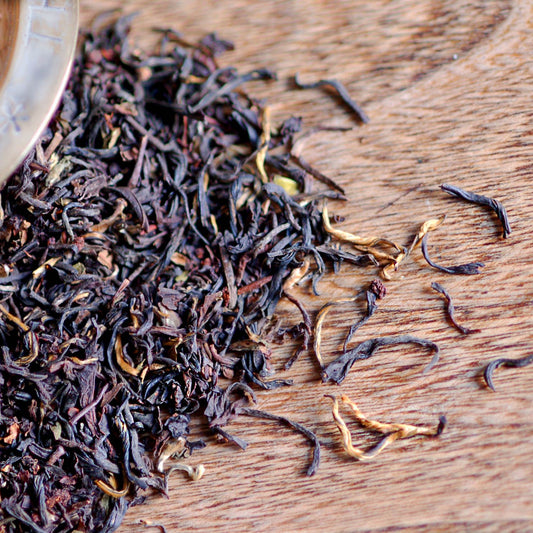
To this day in China, as it was until the 1970s in the UK, loose leaf tea is much more common than teabags. The best Chinese tea is made from whole leaves and buds that need room to unfurl and expand as they infuse. Chinese leaf tea deserves a little love and care in a teapot. You will be well rewarded with the taste.
How to choose between types of Chinese tea?
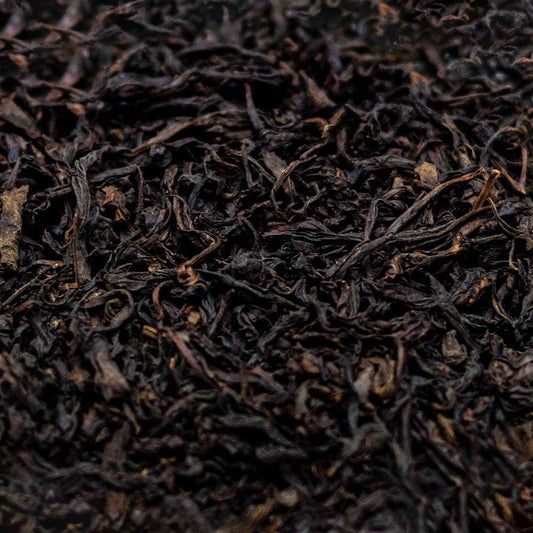
Chinese tea covers the spectrum of tea types. They range from the least processed white tea, through green tea, oolong and black tea, all the way to fermented pu-erh.
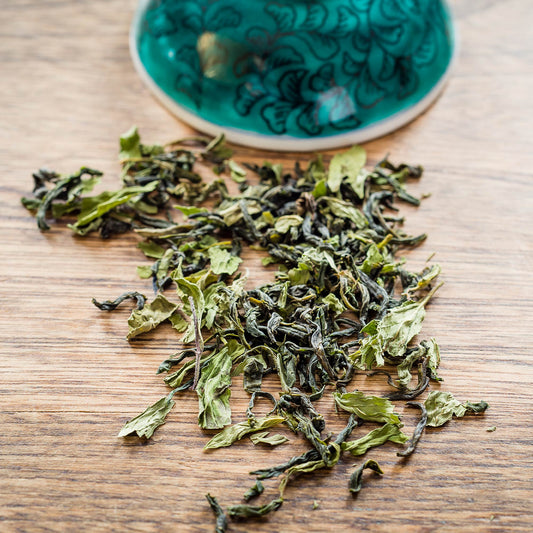
All our Chinese teas are loose leaf and handcrafted by farmers who work organically without pesticides and herbicides. They are all delicious and have well documented health benefits, but the flavour profiles of the leaves vary tremendously - from the deep earthy, woody notes of pu'erh to the soft, grassy sweetness of white silver tips.
Please read the flavour notes on each tea page to help choose the teas that you will most enjoy.
Chinese Oolong tea vs. Chinese Green tea.
The difference between Chinese oolong tea and Chinese green tea is that the leaves are crafted using different techniques. Chinese green tea is fired quickly after picking to retain fresher, brighter flavours. Whereas, oolong tea goes through several more stages of crafting, being partially oxidised, to increase the complexity of the flavour spectrum.
How is Chinese tea packaged?
The Chinese tea from Rare Tea Company is packed in moisture and oxygen barrier foil to keep it in perfect condition. Unopened these foils will keep the tea in excellent condition for long periods of time.
How is Chinese tea stored?
Once opened its essential to keep your tea airtight. Please keep it away from direct sunlight and high temperatures. We supply tins to accompany your tea - to keep it in the best possible condition. Sadly, once opened the tea will start to oxidise with exposure to the air. For the best flavours please drink within 3 months.
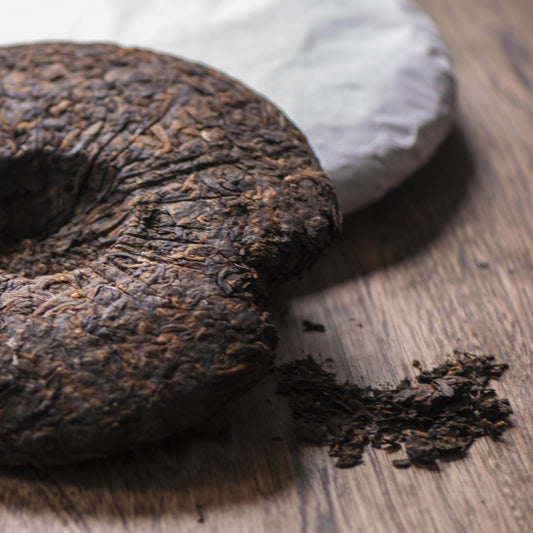
There is one exception - pu'erh tea. This is a tea that ages beautifully. It should be left in paper only, and not kept airtight. Long slow fermentation over years and decades only improves the flavour.
Does Chinese tea contain caffeine?
All true tea is made from the leaves of the Camellia sinensis plant and contains caffeine. If you want to avoid caffeine please visit our Herbal tea section. These are infusions made from different herbs (not Camellia sinensis) and do not contain caffeine, with the exception of Malawi Coffee Leaf.
Do I need special teaware for brewing Chinese tea?
You can infuse Chinese tea in a loose leaf tea infuser or teapot. However, to really explore the flavours of the some of the most valuable Chinese teas like Chinese Emperor's Golden Eyebrow (Jin Jun Mei) or to make six short extractions of an exceptional oolong like our Iron Goddess of Mercy we recommend using a specialist Chinese Gaiwan tea set - you can watch a short video here demonstrating how to use it, to get the most out of your precious Chinese tea leaves.
What is the rarest Chinese tea?
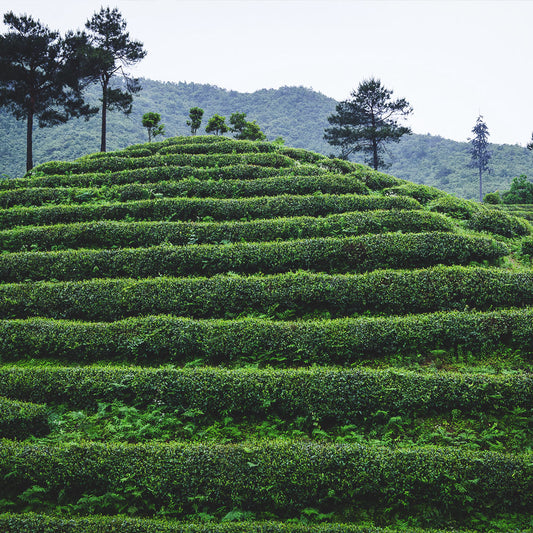
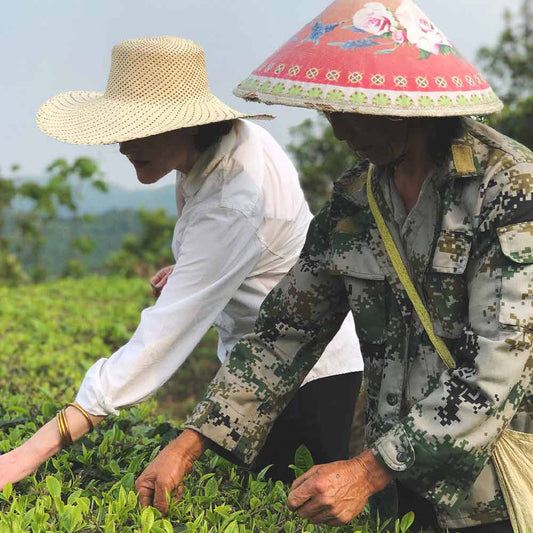
Each of our loose leaf teas sourced from across China from Pu-erh in Yunnan to white tea in Fujian; the high mountains of Anxi for oolong tea to the secluded forests of Wuyi for black tea; and sublime green tea from Hangzhou - are selected to be the best available anywhere. You can see on our Instagram account that our founder and CEO, Henrietta, travels across China regularly - meeting our partner farmers and making a personal selection of the best tea leaves for the best taste. Through her amazing adventures and tea experiences we can bring you the rarest teas in China and the world.
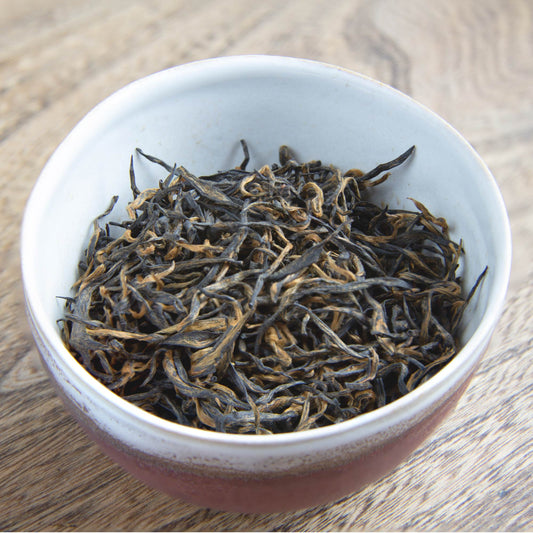
The rarest of all is our Emperor's Golden Eyebrow black tea - possibly the rarest Chinese tea of all - which is reflected in its price. Only a few kilos can be crafted each year. Through incredible crafting of spring buds, these rare tea leaves reveal myriad flavours; each steep reveals more nuance. Infusion after infusion, the flavour profile runs from tropical fruit and honeysuckle to burnt toffee, dark chocolate and beyond.
Despite being more accessible in terms of price, all our Chinese teas are sublime. Our Rare Chinese Keemun is a loose leaf black tea from Qimen in Anhui that has a delicious sweetness, with a marzipan aroma and milk chocolate notes balancing its richer tannins.
What is Tribute tea?
Tribute tea is the finest tea in China that was historically reserved exclusively for the Emperor. From across the country, the Emperor demanded tributes, and he was offered the best porcelain, silks, and - of course - teas. Our Jasmine Silver Tip from Fujian was one such tribute tea - and no one else was allowed to have it. Jasmine Silver Tip is made from a rare white tea bud that absorbs the scent of jasmine flowers over seven nights- a rare and delicate flavour fit for ancient Emperors - and now available for us all to experience.
Different Emperors favoured different teas throughout history. Dragon Well or Chinese Longjing green tea, our oolong tea Da Hong Pao from the Wuyishan, and Tie Guan Yin oolong tea from Anxi were all famed tribute teas.
What is a Chinese tea ceremony?
A Chinese tea ceremony is also known as gongfu cha, in which several infusions of various teas are tasted with great care and attention. Using a gaiwan, the Chinese tea ceremony differs from a Japanese tea ceremony in that it can incorporate any tea, not just green teas and can be done anywhere.
In Japan, it is almost exclusively done by a geisha in a teahouse with whisked matcha. A Chinese tea ceremony is a much more practical and less formal ceremony - a celebratory, bountiful, spilling or overflowing of tea showing generosity, as opposed to being measured, careful, or conservative.
Is tea a part of traditional Chinese medicine?
Tea has been considered a medicinal plant and an important part of traditional Chinese medicine and culture for as long as it has been drunk. Even in modern Western Medicine, there are few who doubt the beneficial effects of tea on our health.
But we're not doctors - we can't speak to medicinal uses of tea over and above what is known about its polyphenols and antioxidants. There are no contraindications in any sense that tea is bad for you - except for those with sensitivity to caffeine. Most, if not all, medical professionals say tea can support a healthy lifestyle.
If you're sensitive to caffeine, we have some great herbal infusions like ginger and lemongrass - every bit as delicious. And if you want to reduce the caffeine, you can also give your tea a quick wash before you drink it, which will reduce the caffeine content. Green tea has a higher level of L-theanine which is a great mood enhancer, but that doesn't mean it's necessarily healthier.
All teas contain wonderful amino acids and polyphenols - little research has been done into the processing of tea and how that might remove its medicinal benefits - but it wouldn't seem crazy to suggest that the least processed teas would retain more of the beneficial properties. A handcrafted black tea might be better for you than an industrially processed white tea. Certainly, rather than a teabag that releases microplastics and unknown industrial chemicals into the hot water and your tea cup, loose leaf tea is a healthier way of going about it.