High Impact Tea
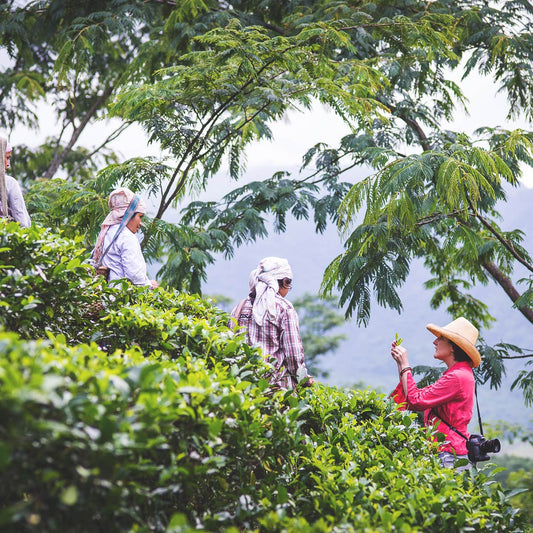
With these high-impact teas, we are shining a light on the people who most need our support. Read more...
-
81 reviewsRegular price From CHF 9.00Regular priceCHF 0.00 CHF 0.28 per cup
Sale price From CHF 9.00 -
Single Estate Lost Malawi English Breakfast
57 reviewsRegular price From CHF 9.00Regular priceCHF 0.00 CHF 0.28 per cupSale price From CHF 9.00 -
44 reviewsRegular price From CHF 7.00Regular priceCHF 0.00 CHF 0.40 per cup
Sale price From CHF 7.00 -
18 reviewsRegular price From CHF 13.00Regular priceCHF 0.00 CHF 0.28 per cup
Sale price From CHF 13.00 -
Sold out20 reviewsRegular price From CHF 9.00Regular priceCHF 0.00 CHF 0.23 per cupSale price From CHF 9.00Sold out -
25 reviewsRegular price CHF 17.00Regular priceCHF 0.00 CHF 0.43 per cup
Sale price CHF 17.00 -
17 reviewsRegular price CHF 16.00Regular priceCHF 0.00 CHF 0.40 per cup
Sale price CHF 16.00 -
23 reviewsRegular price CHF 24.00Regular priceCHF 0.00 CHF 0.60 per cup
Sale price CHF 24.00 -
15 reviewsRegular price CHF 18.00Regular priceCHF 0.00 CHF 0.60 per cup
Sale price CHF 18.00 -
Caffeine Free14 reviewsRegular price From CHF 8.00Regular priceCHF 0.00 CHF 0.08 per cupSale price From CHF 8.00 -
15 reviewsRegular price CHF 16.00Regular priceCHF 0.00 CHF 0.40 per cup
Sale price CHF 16.00 -
12 reviewsRegular price CHF 15.00Regular priceCHF 0.00 CHF 0.25 per cup
Sale price CHF 15.00
A prosperous nation like Japan, with a long history and strong domestic market, commands great prices for great tea. Land, labour and expertise are highly valued. Demand for the most famous teas often outstrips supply and buyers compete to get their hands on the best.
For less fortunate economies, where even safe drinking water is not a given, tea is an export. Origins are obscured. Terroirs hidden. If all we are shown is a packet and a brand with no connection to the people and place it comes from, we remain ignorant of its impact.
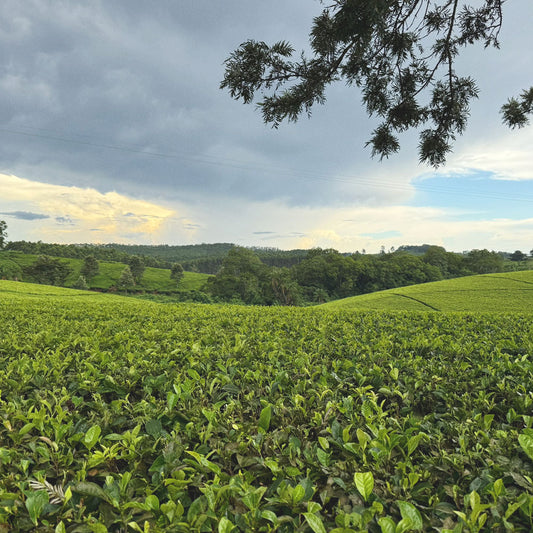
Many people do not know that much of the tea they drink comes from places like Malawi in East Africa. They are unaware that land, labour and expertise are given little value; that their tea is traded as a commodity by giant multinational agribusinesses, bought for low cost and high quantity over quality; that the farmer has no control of the price. Nor do they know that people in tea communities often do not live beyond their 50s.
It is our business to change that, to establish a value market for their incredible craft and amazing terroirs, much like fine wine.